Explain the Different Between a Sample and a Population
To overcome the restraints of a population you can sometimes collect data from a subset of your population and then consider it as the general norm. A population is a subset of the sample that is being studied while a sample is the entire group that is being studied.

Population Vs Sample Definitions Differences Examples
Notice that theres only one tiny difference between the two formulas.
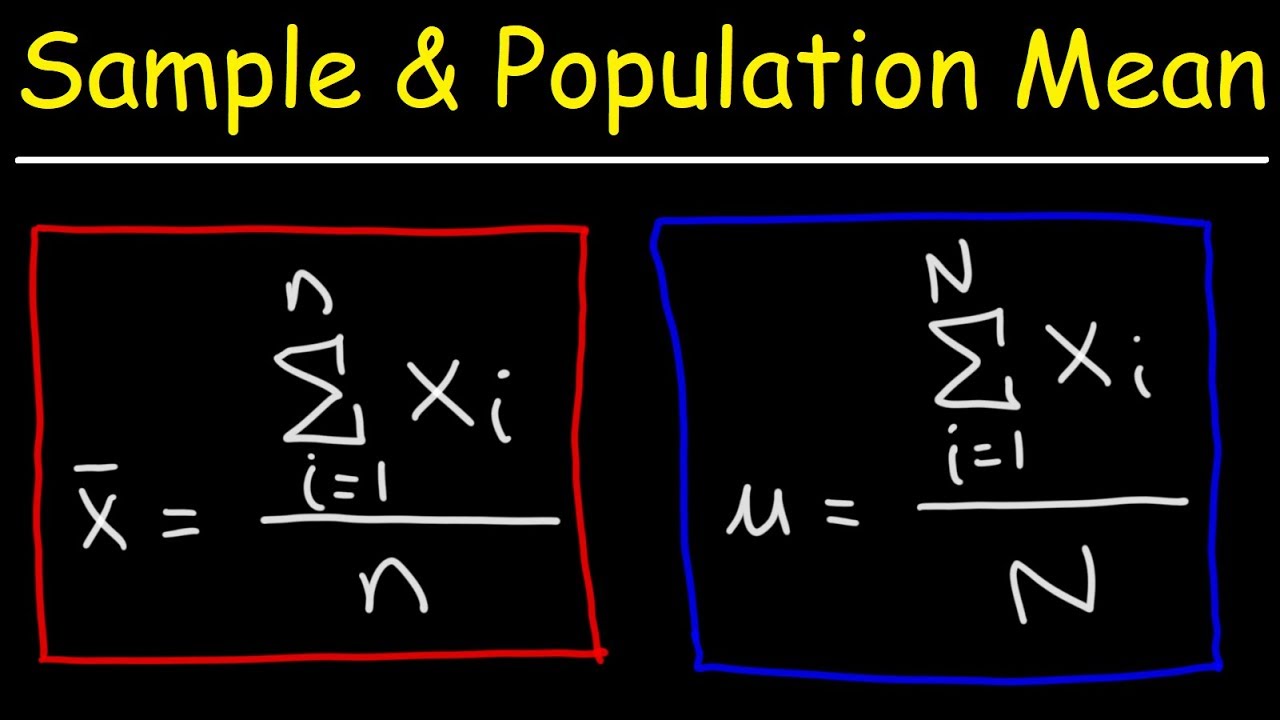
. Explain the difference between a population and a sample. Explain the difference between a census and a sample. The main difference between population and sample is that a population includes all of the elements from a set of data and a sample consists of one or more observations drawn from the population.
These samples can be selected so that they are representative of the population in which cases the sample will have weights strata and clusters. 4pts Chapter 2 1. The entire group to be studied is called the population whereas a sample is a subset of the population that is being studied.
When we calculate population variance we divide by N the population size. A sample is a subset of a population. When we calculate sample variance we divide by n-1 the sample size 1.
A subgroup of the members of population chosen for participation in the study is called sample. The population consists of each and every. A population is a person or object that is a member of the sample being studied while a sample is the entire group that is being.
Description Sampling ActivityDue DateFormatGrading PercentSamplingDay 5Assignment8Building the Final PaperDay 7Assignment8 Learning Outcomes This week students will. Sample vs Population. Explain the difference between a population characteristic and a statistic.
A population is a subset of the sample that is being studied while a sample is the entire group that is being studied. Population and Sample are two important terms in the subject Statistics. Explain the difference between quantitative variable and qualitative variable.
Remember that the population is a collection of all individuals from which some information is wanted. The sample is an unbiased subset of the population that best represents the whole data. What is the.
All the people who have the ID proofs is the population and a. 1 Note that a population must not necessarily be large. When calculating the sample variance we apply something known as Bessels correction which is the act of dividing by n-1.
A sample represents the group of interest from the population which you will use to represent the data. A sample is a portion of the population taken from the larger group. What is the difference between the sample mean and the population mean.
We have step-by-step solutions for your textbooks written by. The difference between population and sample can be drawn clearly on the following grounds. The entire group is going to be the entire group that we are interested in.
But usually people use random samples. Explain the difference between a study population and a study sample. Solution for Explain the differences between a sample and a population.
Textbook solution for Fundamentals of Statistics 5th Edition 5th Edition Michael Sullivan III Chapter 11 Problem 2AYU. Explain the difference between a study population and a study sample. Explain the differences between a sample and a population.
Intro Stats AP Statistics. Explain the difference between a population and a sample. In other words sample should represent the population with fewer but sufficient number of items.
O O O O A. The main difference between population and sample is that the population includes all the units from a set of data. Population vs Sample.
Describe various sampling methods. The sample is a random subset of the population which should represent the population from which it was taken and its used to make inferences about the entire population. Explain the difference between a population and a sample from a statistical point of view.
Find step-by-step Statistics solutions and your answer to the following textbook question. The sample includes a small group of units selected from the population For example a population may be all people living in Australia and the sample may be a specific group of people living in Australia. So what is a population of population.
Is the entire group that we are concerned with. Usually it is impossible to test an entire population so tests are done on a sample of that population. Population is going to be.
It might be the case that you study such a narrow population eg first-year male bachelor students from your university who passed the statistics exam in June and for whom their parents have been divorced for more. The collection of all elements possessing common characteristics that comprise universe is known as the population. First week only 499.
Population implies a large group consisting of elements having at least one common feature. Explain the difference between a population characteristic and a statistic. 6 rows Population and Sample Examples.
What is the difference between the sample standard deviation and the population standard deviation. Start your trial now. Since a sample is a subset of a population a sample is always smaller than the population.
Explain the differences between a sample and a population. In simple terms population is the largest collection of items that we are interested to study and the sample is a subset of a population. In this example the population is considered to be all male physicians of age.
Now what is the difference between a population and the sample population. A population is a person or object that is a member of the sample being studied while a sample is the entire group that is being studied. Explain the difference between descriptive statistics and inferential statistics.
Choose the correct answer below. Taking information from or about every member of a target population is called a census.
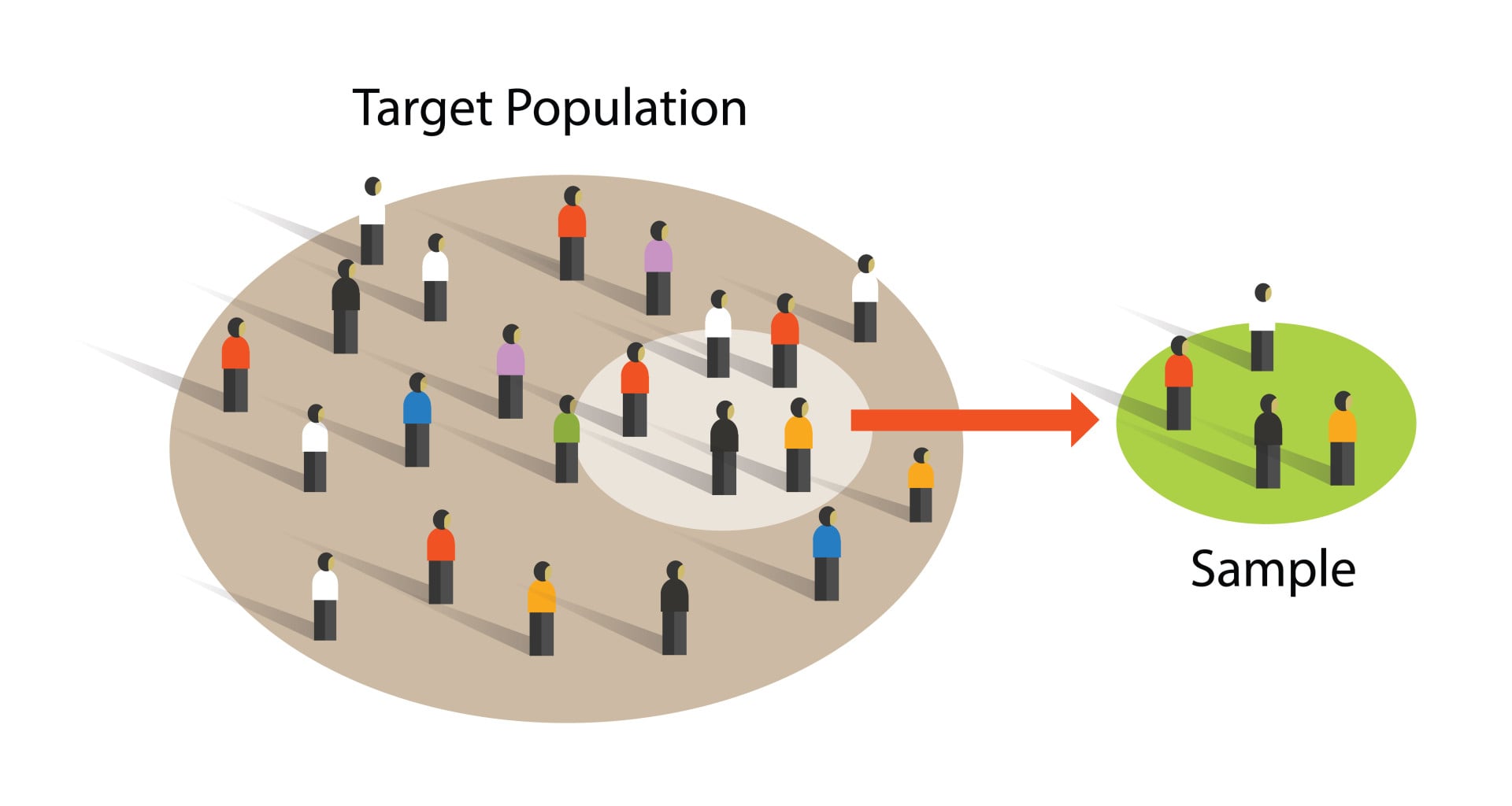
Sampling Methods Simply Psychology
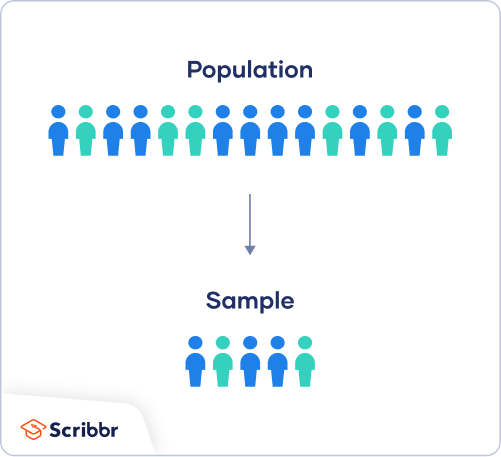
Population Vs Sample Definitions Differences Examples
Sample Mean And Population Mean Statistics Youtube


Comments
Post a Comment